Algorithmic trading (algo-trading) now dominates global financial markets. In 2026, algorithms and high-frequency trading systems (HFT) already execute over 70–80% of all transactions on major exchanges. They significantly accelerate market processes but at the same time noticeably amplify both positive and negative price movements.
High-Frequency Trading (HFT)
High-frequency algorithms operate at lightning speed — they can execute thousands of operations per second. Using powerful servers located directly next to exchange data centers (co-location), HFT algorithms receive information microseconds earlier than other market participants.
This speed enables:
- Exploiting the smallest price differences (arbitrage)
- Capitalizing on the latency of other participants
- Reacting to news faster than any human
Rapid Reaction to Events
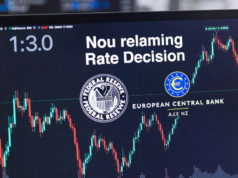
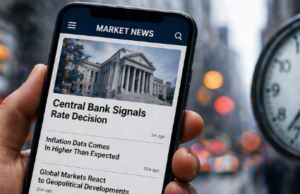
Algorithms react instantly to all major events: publication of corporate reports, statements from central banks, geopolitical news, or even tweets from influential figures.
Whereas the market once could “digest” a piece of news over 10–30 minutes, today a strong movement can emerge within seconds. This leads to extreme volatility spikes immediately after data releases.
Amplification of Trends
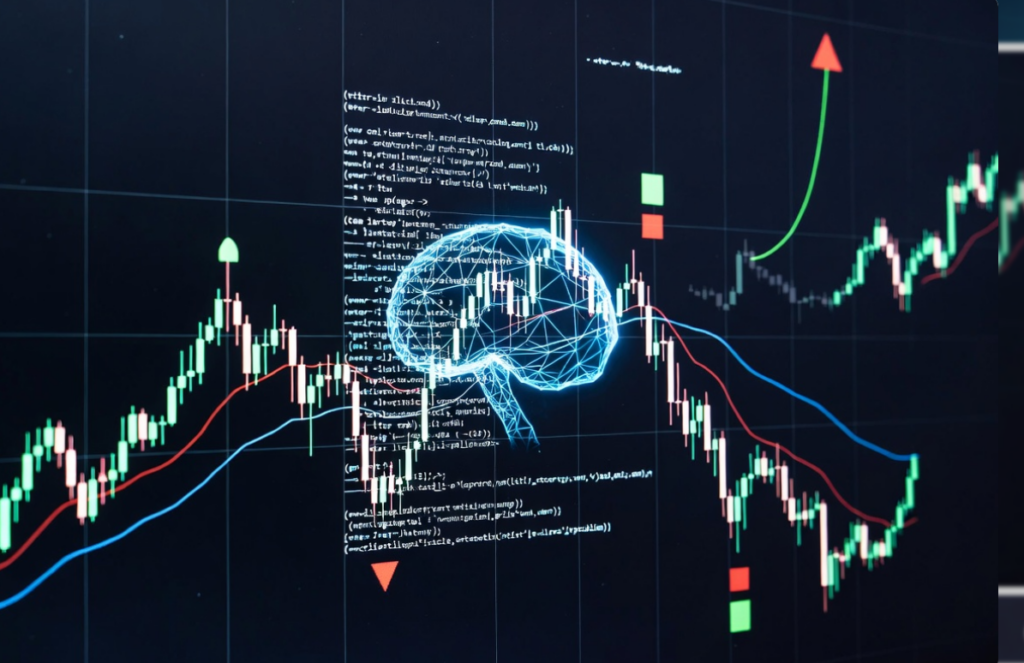
Algorithms tend toward “herd behavior.” As soon as the price of an asset rises, tens of thousands of algorithms simultaneously open long positions. This creates a self-reinforcing effect — the trend accelerates.
The same works in the opposite direction: when prices fall, algorithms massively trigger stop-loss orders and open short positions, leading to an accelerated crash.
Increase in Volatility
Algorithmic trading noticeably increases short-term market volatility:
- “Flash crashes” (sudden extreme plunges) occur more frequently.
- The number of days with anomalously high volatility is rising.
- New phenomena such as “volatility spikes” have emerged.
In 2025–2026, regulators have repeatedly recorded cases where algorithms “burned” or “inflated” billions in market capitalization within minutes.
Decrease in Human Influence
Humans have lost significant influence over short-term market movements. Algorithms trade without emotions, fatigue, or cognitive biases. However, they can also amplify errors: when many algorithms are programmed with the same logic, they act synchronously under certain conditions and generate powerful cascade effects.
Conclusion
Algorithms make markets faster, more aggressive, and less predictable. They amplify both upward and downward movements, increase volatility, and create new risks for traditional investors.
For retail traders, this means:
- Stricter risk management
- Shorter position holding periods
- Accounting for algorithm behavior when developing strategies
In today”s world, a successful trader is no longer just the one who predicts the future best, but the one who best understands how algorithms and humans interact in the market. Algorithmic trading has already changed the markets forever — and this process continues to advance.